Reliable Tool Bag Manufacturer DCP Bags Uses Lean Management for Consistent Production
Oct 23, 2026
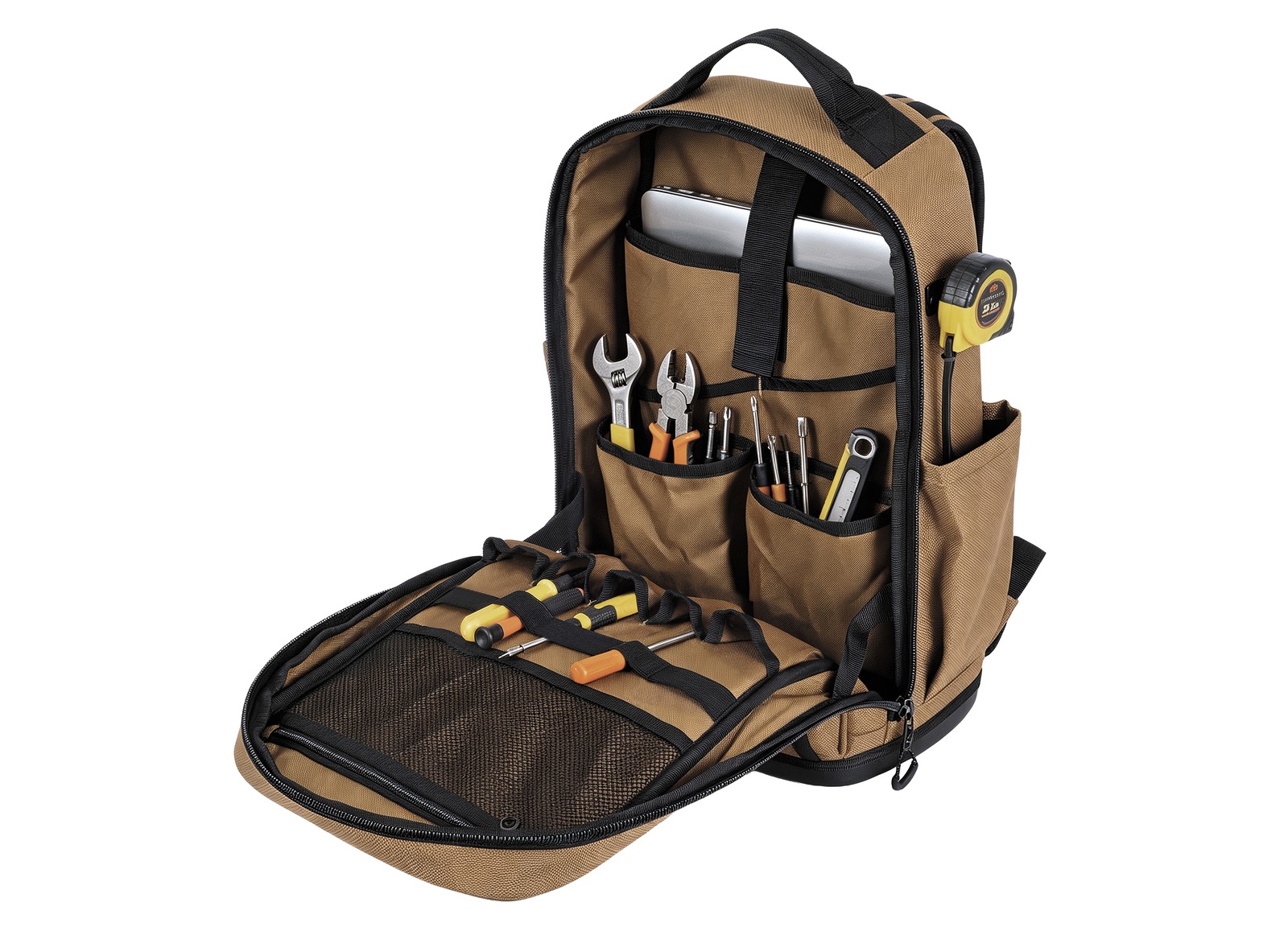
Quanzhou, Fujian Oct 22, 2026 (Issuewire.com) - As a Reliable Tool Bag Manufacturer (https://www.dcp-bags.com/Workbag-pl8/), DCP TRAVELLING PRODUCTS CO., LTD. ensures consistent production by implementing a comprehensive lean management system across its international facilities. For procurement professionals sourcing heavy-duty work bags, manufacturing consistency requires more than basic assembly lines. It demands an established operational framework that integrates digital oversight, automated equipment, and rigorous batch testing. By applying these lean principles alongside its extensive background in soft bag production, the company provides B2B buyers with an auditable and repeatable manufacturing process designed to meet strict commercial project requirements. Tool Bags Are Part of DCP Bags Published Product Portfolio To build a reliable procurement strategy, enterprise buyers must verify that a supplier possesses an established manufacturing foundation. The production identity of DCP Bags is supported by a comprehensive enterprise-level product scope encompassing a wide variety of soft bag categories. The official company portfolio clearly lists tool bags alongside other core products like trolley cases, business backpacks, computer bags, sports backpacks, and student bags. This diverse range demonstrates that tool bag production is a logical extension of a mature soft bag manufacturing system. The corporate profile explicitly defines the core business as comprehensive bags design and production. By serving the business, leisure, and outdoor sectors, the company has built an extensive material sourcing network. Established in 2000, DCP Bags (https://www.dcp-bags.com/company/) has developed an export footprint reaching more than twenty countries. This long-term operational experience means buyers initiate projects within a broad manufacturing ecosystem. The ability to handle complex designs across different bag categories provides a solid physical background for specialized workbag production, ensuring foundational processes are already refined through diverse global orders. The Workbag Category Provides a Direct Product Navigation Anchor Navigating supplier capabilities requires clear category indicators that align with buyer intentions. Within the official product navigation structure, the Workbag category exists as an independent entry, positioned parallel to established lines like the Business Backpack, Camping Bag, and Trolley Case. This distinct classification serves as a direct anchor for procurement teams verifying the factory's commitment to professional work-oriented carriers. It confirms that the enterprise explicitly categorizes workbags as a recognized product segment. While current publicly accessible pages do not list exhaustive model specification cards detailing materials, load capacities, or tool placement layouts, the presence of the category is a critical procurement signal. It indicates the foundational infrastructure for workbag development is in place. Furthermore, the company's 2024 transition from standard original equipment manufacturing to an original design manufacturing model enhances this capability. With dedicated research and development design services offering 3D modeling, specialized material recommendation, and rapid sampling, the factory is equipped to develop custom workbag solutions. This allows B2B buyers to confidently approach the supplier with specific structural requirements. Lean Management Creates a Repeatable Production Framework For industrial and commercial bag sourcing, process repeatability is the primary defense against batch-to-batch quality degradation. The company addresses this challenge by deploying a robust lean management system across both of its primary manufacturing bases. The China factory, spanning 13,000 square meters with eight production lines, delivers a capacity of 100,000 packages per month. Concurrently, the Indonesia factory operates across 26,000 square meters with forty production lines, achieving a monthly output of 400,000 pieces. Implementing lean management simultaneously in both countries proves this approach is a corporate-wide standard rather than a localized practice. This unified lean framework is paired directly with digitized management protocols. By running lean discipline alongside online information flows, the factories optimize both physical production steps and administrative communication efficiency. For enterprise buyers placing repeat bulk orders, this means every stage of the production cycle is tracked, measured, and standardized. Digital oversight minimizes human error, while lean physical workflows eliminate wasted movement. These management strategies provide an auditable foundation, ensuring large-scale tool bag production remains consistent regardless of which facility handles the order. Computerized and Automatic Equipment Supports Process Repeatability Management frameworks must be executed by capable hardware. The equipment portfolio at the manufacturing facilities covers all critical soft bag production stages, transforming lean management concepts into physical reality. The production floors house an impressive 1,800 sets of various equipment, specifically chosen to reduce manual variance and increase precision. This inventory includes advanced computerized sewing machines and computerized pattern machines that execute complex stitch paths with absolute uniformity, which is essential for assembling multi-pocket tool carriers. The transition from manual preparation to automated processing is highlighted by the deployment of automatic spreading machines and automatic cutting machines. By automating fabric spreading and cutting, the factory ensures that every panel matches original design specifications exactly, preventing tolerance drift before assembly even begins. For tool bags, structural integrity is paramount, as these products must safely carry heavy metal equipment. The integration of computerized bar-tack machines guarantees that stress points, such as handle attachments and pocket corners, receive consistent reinforcement across every single unit. This extensive mechanization provides the essential process repeatability needed for durable workbag construction, giving procurement teams confidence that the mechanical infrastructure can meet stringent structural demands. Raw-Material and Finished-Product Testing Adds a Quality Gate While automated equipment and lean management ensure that the manufacturing process is repeatable, physical testing provides the final necessary barrier against product failure. Tool bags are subjected to demanding industrial environments, requiring strict verification of their durability and material strength. The company addresses this by maintaining dedicated testing centers at both its Chinese and Indonesian locations. Each laboratory is equipped with more than twenty types of specialized testing equipment, establishing a comprehensive analytical resource for all production batches. The quality control protocol mandates comprehensive testing of each batch, establishing a rigorous inspection standard that spans the entire production cycle. This evaluation begins with raw material intake, ensuring that fabrics, zippers, and hardware meet specified tensile strength and wear resistance criteria before they reach the cutting floor. The testing continues through to the finished product stage, verifying load-bearing capabilities and seam integrity. By formalizing this testing frequency at the batch level, the factory guarantees that production consistency is empirically verified. This comprehensive quality gate means that any material anomaly or assembly deviation is caught and corrected internally, protecting the buyer from receiving substandard goods and ensuring that final tool bags will perform reliably in the field. Consistent Tool Bag Production Depends on Process Evidence and Project Specifications Procurement success in the industrial bag sector relies on evaluating both the supplier's systemic capabilities and the specific parameters of the project. The company demonstrates its ability to maintain consistent production through a verifiable structure of enterprise-level product scope, a dedicated Workbag category, cross-facility lean management, extensive automated equipment, and batch-level laboratory testing. Together, these elements form a transparent manufacturing ecosystem that provides buyers with strong evidence of operational stability and process control. However, the ultimate performance of any specific tool bag depends on the precise definition of project requirements. While the factory provides the reliable execution engine, the exact materials, dimensions, load ratings, and internal pocket layouts must be defined by the buyer's technical specifications. This evidence-based structure allows purchasing teams to confirm the manufacturer's foundational competence, and then utilize the factory's advanced sampling and design services to lock in their unique product criteria. Procurement professionals are encouraged to leverage this manufacturing infrastructure to bring specialized carriers to market. To review the facility capabilities, explore the dedicated testing resources, and submit detailed product briefs for custom workbag projects, visit https://www.dcp-bags.com/
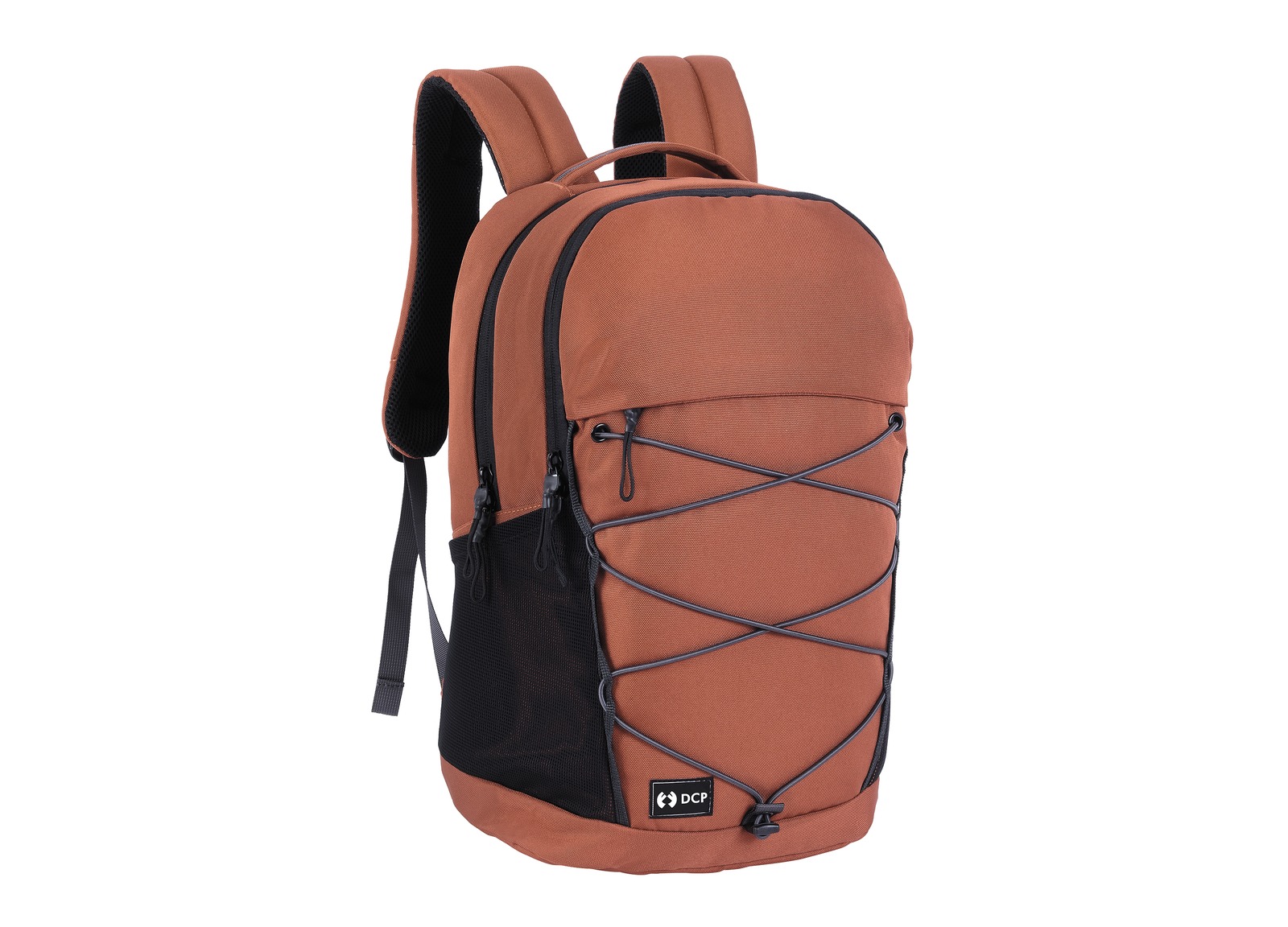
Source :DCP TRAVELLING PRODUCTS CO., LTD.
This article was originally published by IssueWire. Read the original article here.
More News











YOUR NEWS, OUR NETWORK.
Do you have Great News you want to tell the world?
Be it updates about your business or your community, you can make sure that it’s heard by submitting your story to our network reaching hundreds of news sites across 6 verticals.